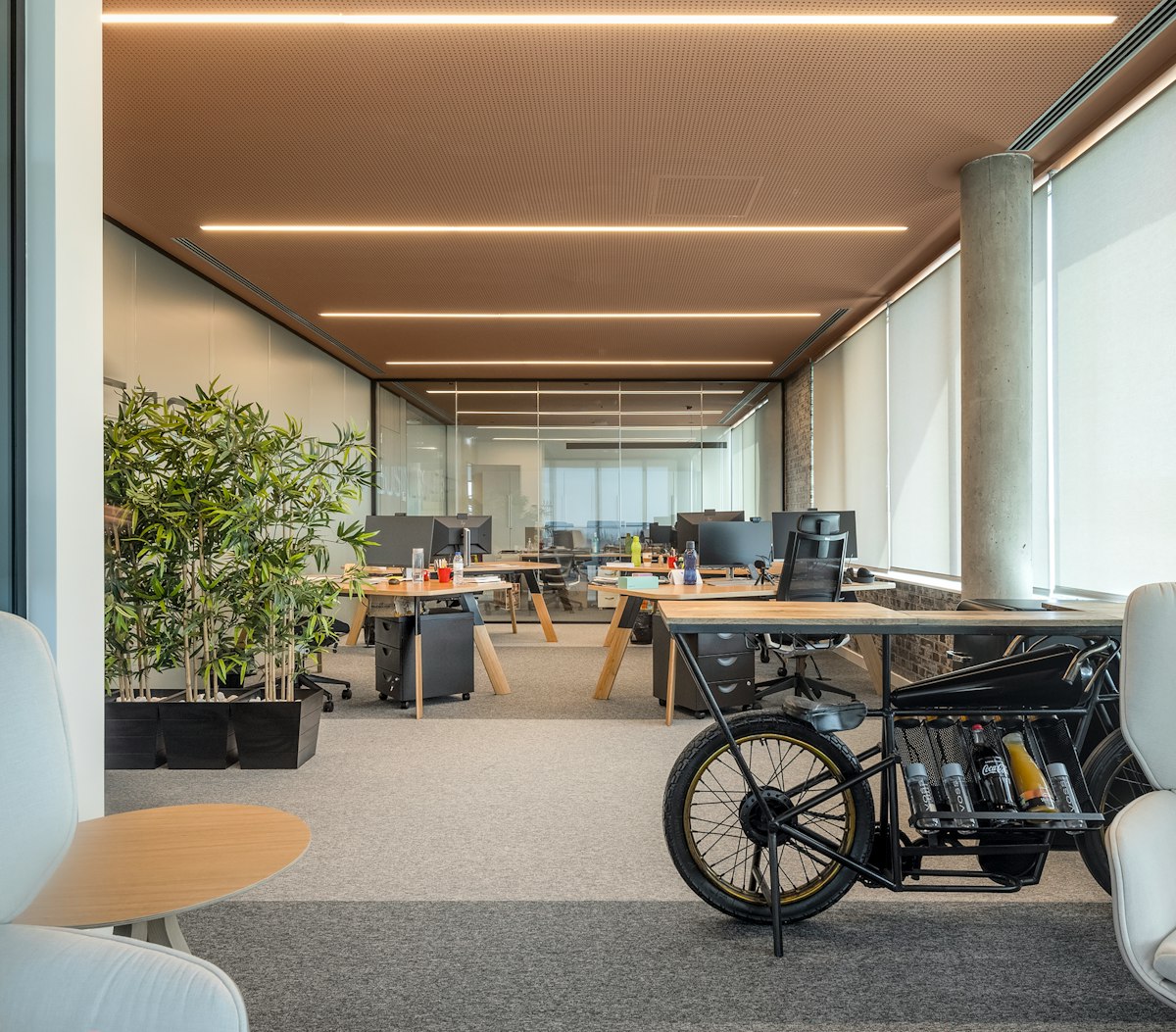
Transform Your Workspace: Professional Strategies for Effective Office Room Interior Design
Most professionals spend more time at their desks than in their own living rooms. Yet, the physical environment of a workspace is frequently treated as an afterthought, reduced to a collection of desks and chairs thrown into a room with harsh overhead lighting. This lack of intentionality often results in stagnant energy, physical discomfort, and a noticeable dip in team performance. When an office feels sterile or cluttered, it sends a message that the work happening within it is purely transactional.
Modern office room interior design has moved far beyond the era of the gray cubicle farm. It is now understood as a strategic tool that influences psychological well-being, brand identity, and operational efficiency. Whether you are refurbishing a corporate headquarters or refining a dedicated home workspace, the goal remains the same: creating an environment that supports deep focus while allowing for necessary moments of collaboration and rest. This discussion explores the intersection of aesthetics and utility to help you make informed decisions about your professional surroundings.
Related posts
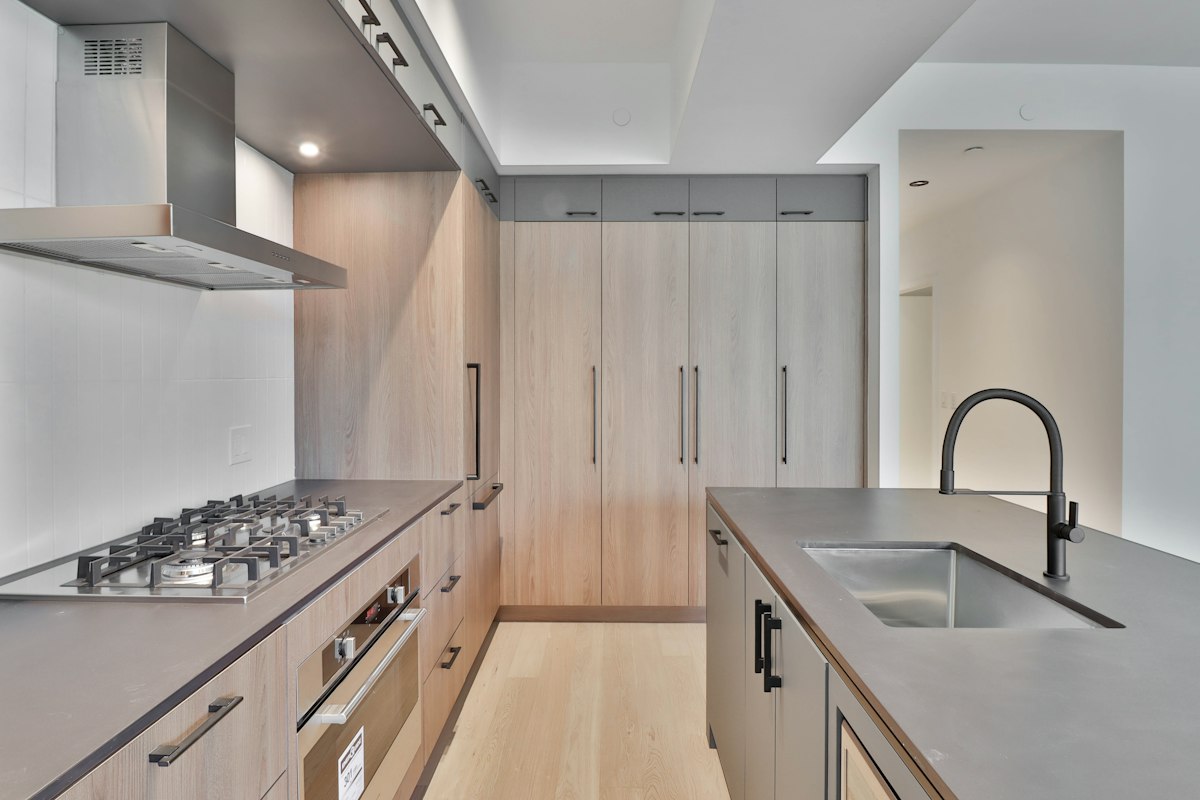
Crafting Your Culinary Sanctuary: The Art of Modern Kitchen Interior Design
The kitchen has always been the heart of the home, a place where meals are prepared, memories are...
Read more →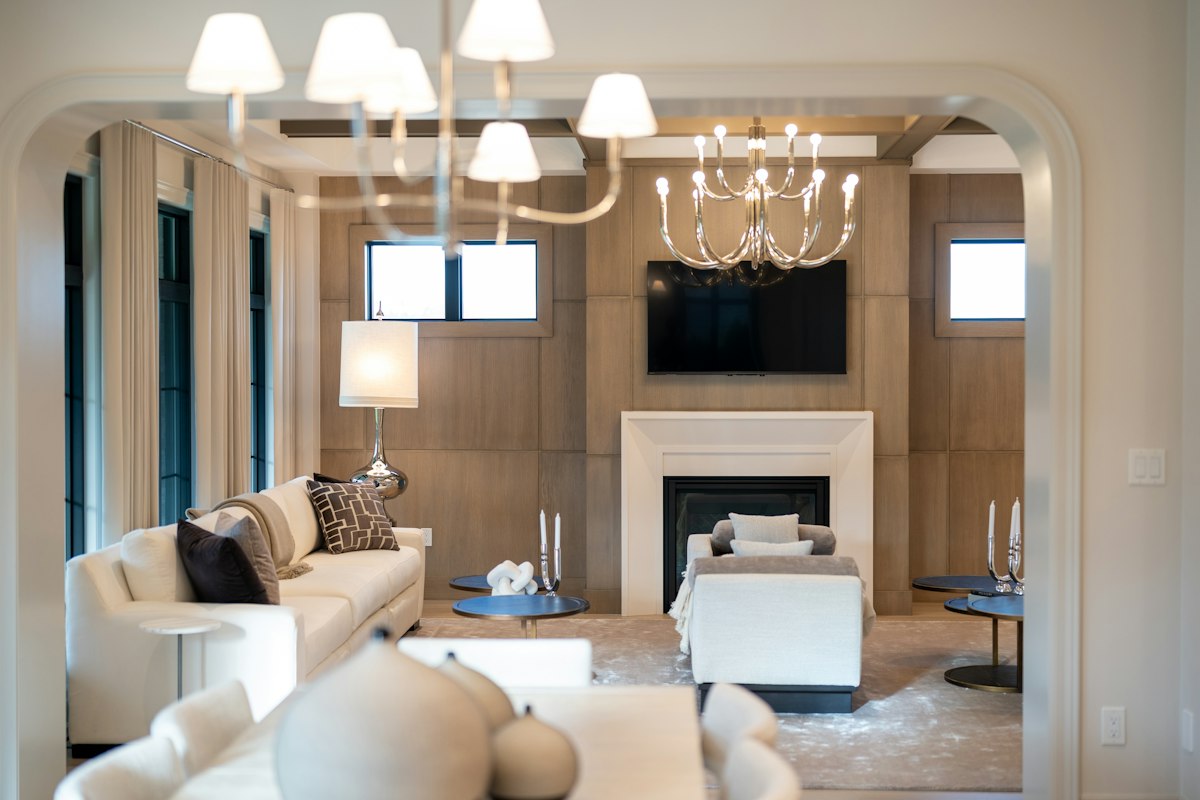
Elevating Your Estate: The Art and Science of Luxury Home Interior Design
When you envision a truly magnificent home, what comes to mind? Is it simply a grand structure, or...
Read more →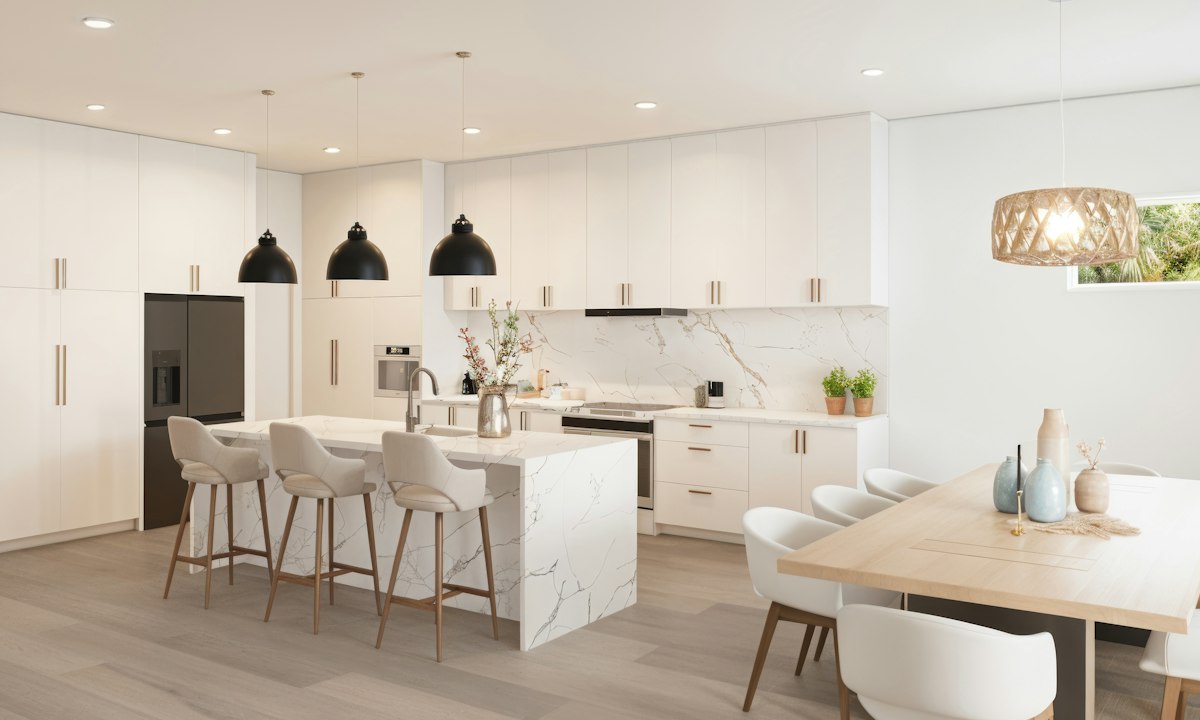
Interior Design for Kitchen Spaces: Layouts, Materials, and Modern Functionality
A successful kitchen renovation balances daily practical demands with architectural elegance. Homeowners often struggle to reconcile the desire...
Read more →
Designing a Luxury House Interior: Principles, Materials, and Spatial Mastery
True luxury inside a home is felt before it is seen. It reveals itself in the acoustic calm...
Read more →We will examine the core components that make a workspace functional, from the mechanics of high-end ergonomics to the science of lighting and acoustics. You will learn how to balance open-plan layouts with the need for privacy, how to select materials that withstand heavy daily use, and how to allocate your budget to the areas that provide the highest return on investment. By the end of this analysis, you will have a clear framework for executing a design that doesn't just look impressive in photos but actually improves the way you and your team work.
Key takeaways
- Prioritize ergonomics over aesthetics to prevent long-term health issues and maintain consistent productivity levels throughout the day.
- Layer your lighting by combining natural light, task lighting, and ambient sources to reduce eye strain and regulate circadian rhythms.
- Implement acoustic zoning to manage noise levels, ensuring that collaborative spaces do not interfere with areas designated for deep, focused work.
- Select commercial-grade materials that offer durability and ease of maintenance, protecting your investment for years to come.
The Psychology of a Productive Workspace
The visual language of an office dictates the mood of the room. High ceilings and open vistas tend to encourage creative, abstract thinking, while lower ceilings and more enclosed spaces are often better for detail-oriented tasks. When planning your office room interior design, consider the primary nature of the work performed. A legal firm requires an atmosphere of stability and confidentiality, often achieved through heavy woods and muted tones. Conversely, a tech startup might thrive in a space with raw industrial elements and flexible furniture that suggests agility.
Color selection plays a significant role in cognitive performance. Blue is widely recognized as the most effective color for promoting focus and mental clarity, making it a staple for high-intensity work environments. Green, reflecting the natural world, helps reduce anxiety and is excellent for long-term endurance. If your team needs to generate constant new ideas, small accents of yellow can stimulate energy, but use it sparingly; too much can lead to feelings of frustration or hyper-stimulation.
The Role of Biophilic Design
Integrating nature into the built environment is no longer a luxury; it is a foundational element of modern design. This involves more than just placing a few succulents on a windowsill. True biophilic design incorporates natural light, organic patterns, and materials like wood and stone. Research consistently shows that employees in offices with natural elements report higher levels of well-being and lower stress levels. Even the presence of a water feature or a living green wall can significantly dampen ambient noise while providing a calming visual focal point.
Ergonomics: The Foundation of Performance
If you are going to spend heavily on one single category, let it be the seating. A standard dining chair or a low-end task chair lacks the mechanical support required for eight hours of sedentary work. High-quality ergonomic chairs feature synchro-tilt mechanisms, adjustable lumbar support, and 4D armrests that allow the user to keep their wrists and elbows in a neutral position. This isn't just about comfort; it is about preventing repetitive strain injuries that lead to absenteeism and reduced output.
Desks have also evolved. The rise of the sit-stand desk is a response to the health risks associated with prolonged sitting. When selecting a height-adjustable desk, look for dual-motor systems that operate quietly and have a high weight capacity. This ensures that the transition between sitting and standing is seamless and doesn't disrupt the flow of work. For fixed-height desks, ensure the surface sits at a level where the user's shoulders remain relaxed and their forearms stay parallel to the floor.
Monitor Placement and Peripheral Tools
Proper screen positioning is frequently overlooked. The top third of your computer screen should be at eye level to prevent neck strain. Using adjustable monitor arms is a smart move for any office room interior design because it clears up desk real estate while providing the flexibility to share screens during quick huddles. Don't forget the importance of keyboard trays and footrests for shorter users, as these small adjustments can make a profound difference in daily comfort.
Lighting Strategies for Focus and Health
Lighting is often the most poorly executed element of office design. Relying solely on overhead fluorescent panels creates a flat, clinical environment that causes headaches and fatigue. The most effective approach is a three-layered strategy. Ambient lighting provides the general illumination of the room, ideally through indirect sources that bounce off the ceiling. Task lighting, such as a high-quality LED desk lamp with adjustable color temperatures, allows users to control the light on their specific workspace.
Accent lighting is the third layer, used to highlight architectural features or branding elements. When choosing bulbs, pay attention to the Color Rendering Index (CRI). A CRI of 90 or above ensures that colors appear natural and vibrant, which reduces the subconscious strain on the brain. For general work, a color temperature of around 4000K (cool white) is ideal for alertness, while 2700K (warm white) is better suited for break rooms and relaxation zones.
Acoustic Management in Open Layouts
The biggest complaint in modern offices is noise. Without proper acoustic treatment, sound bounces off hard surfaces like glass walls and polished concrete floors, creating an echo chamber that kills concentration. To combat this, you must introduce sound-absorbing materials. Acoustic wall panels, ceiling baffles, and even heavy drapery can significantly lower the Noise Reduction Coefficient (NRC) of a room.
Zoning is another effective way to manage sound. Grouping loud activities—like the coffee machine, printer, and collaborative lounge—far away from the focus pods prevents cross-talk interference. If your budget allows, consider installing sound masking systems. These devices emit a low-level background frequency, often compared to the sound of airflow, which makes distant conversations unintelligible and less distracting to those trying to concentrate.
Material Selection and Commercial Durability
In a professional setting, materials must be "contract grade." This means they have been tested to withstand higher levels of wear, friction, and cleaning chemicals than residential furniture. For flooring, Luxury Vinyl Tile (LVT) has become a favorite because it can mimic the look of hardwood or stone while offering superior sound dampening and water resistance. It is also much easier to replace a single damaged tile than to refinish an entire floor.
For work surfaces, high-pressure laminates (HPL) offer the best balance of cost and durability. They are resistant to scratches, heat, and stains. However, for executive offices or high-end boardrooms, natural stone or solid wood veneers provide a sense of prestige and longevity. When selecting fabrics for seating, check the Wyzenbeek rating, which measures abrasion resistance. For a busy office, a rating of 50,000 double rubs or higher is recommended to ensure the fabric doesn't thin or pill within a year of use.
Budgeting for Your Office Redesign
Costs for office room interior design vary wildly based on the level of customization and the quality of finishes. A basic refresh might cost between $50 and $100 per square foot, while a high-end, bespoke build-out can easily exceed $300 per square foot. It is important to prioritize spending on the elements that affect daily operations. High-quality seating and lighting should take precedence over expensive wall art or designer reception desks.
Consider the long-term ROI of your choices. Investing in energy-efficient LED lighting and programmable thermostats can lower utility bills by 20-30%. Similarly, choosing modular furniture that can be reconfigured as your team grows prevents the need for a total overhaul every few years. Always set aside a 10-15% contingency fund for unexpected structural or electrical issues that often arise during the renovation process.
FAQ
How much does office room interior design typically cost?
Costs depend heavily on the scale of the project. A mid-range professional office design usually ranges from $80 to $150 per square foot, including furniture, flooring, and lighting. Small home office setups can be achieved for $2,000 to $5,000 by focusing on high-quality ergonomic basics and smart storage solutions.
Can I implement professional design in a small home office?
Absolutely. In a small space, the focus should be on vertical storage and multi-functional furniture. Use wall-mounted shelves to keep the floor clear and choose a desk with a slim profile. Lighting becomes even more important in small rooms; ensure you have a window nearby or use high-quality artificial lights to prevent the space from feeling cramped.
What is the best color for a high-focus work environment?
Blue is generally considered the best color for focus because it has a calming effect on the mind and helps lower the heart rate. Soft grays and off-whites are also excellent as neutral backdrops that prevent visual overstimulation. Avoid using bright reds or oranges as primary wall colors, as they can increase stress and distract from complex tasks.
How do I balance open-plan collaboration with the need for privacy?
The most successful designs use a "hub and spoke" model. Provide a central open area for team interaction, but surround it with smaller focus rooms or "phone booths" where individuals can go for private calls or deep work. Using glass partitions with frosted film allows light to flow through the space while providing the necessary visual privacy.
How often should an office interior be updated?
While high-quality furniture can last 10 to 15 years, the layout and aesthetic of an office should be re-evaluated every 5 to 7 years. Changes in technology, team size, and work styles often necessitate adjustments to the floor plan to ensure the space remains efficient and aligned with the company's current needs.
Conclusion
Effective office room interior design is an investment in your most valuable asset: people. By moving away from generic setups and toward a human-centric approach, you create an environment that fosters energy and precision. From the mechanical integrity of an ergonomic chair to the strategic placement of acoustic panels, every decision should serve the dual purpose of comfort and utility. Whether you are managing a large corporate floor or a private studio, remember that a well-designed space does not just hold your work; it enhances it. Take the time to plan your layout, choose durable materials, and prioritize the elements that directly impact your daily well-being.