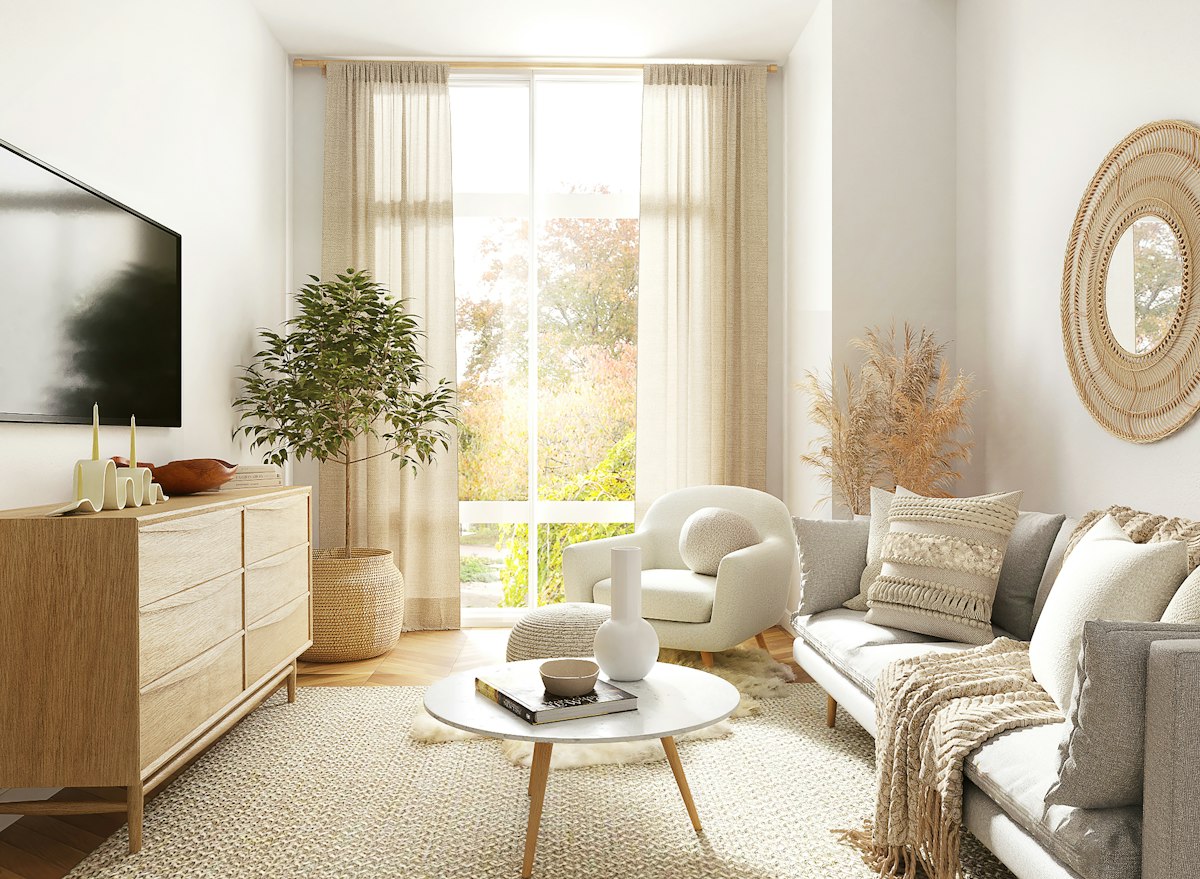
High-Impact Low Budget Interior Design Strategies for Any Space
Creating a stylish, welcoming home does not require thousands of dollars or a team of professional decorators. Many homeowners and renters assume that achieving a high-end look requires spending a fortune on custom furniture, expensive artwork, and total structural overhauls. In reality, thoughtful design relies far more on balance, proportion, lighting, and strategic choices than on massive budgets.
When working with limited funds, the key is knowing where to direct your spending for maximum visual and functional return. Minor modifications—such as shifting room layouts, refreshing hardware, updating paint colors, or layering lighting—can completely alter how a space looks and feels. By understanding fundamental styling principles, you can transform plain rooms into curated spaces that reflect your personality.
Related posts
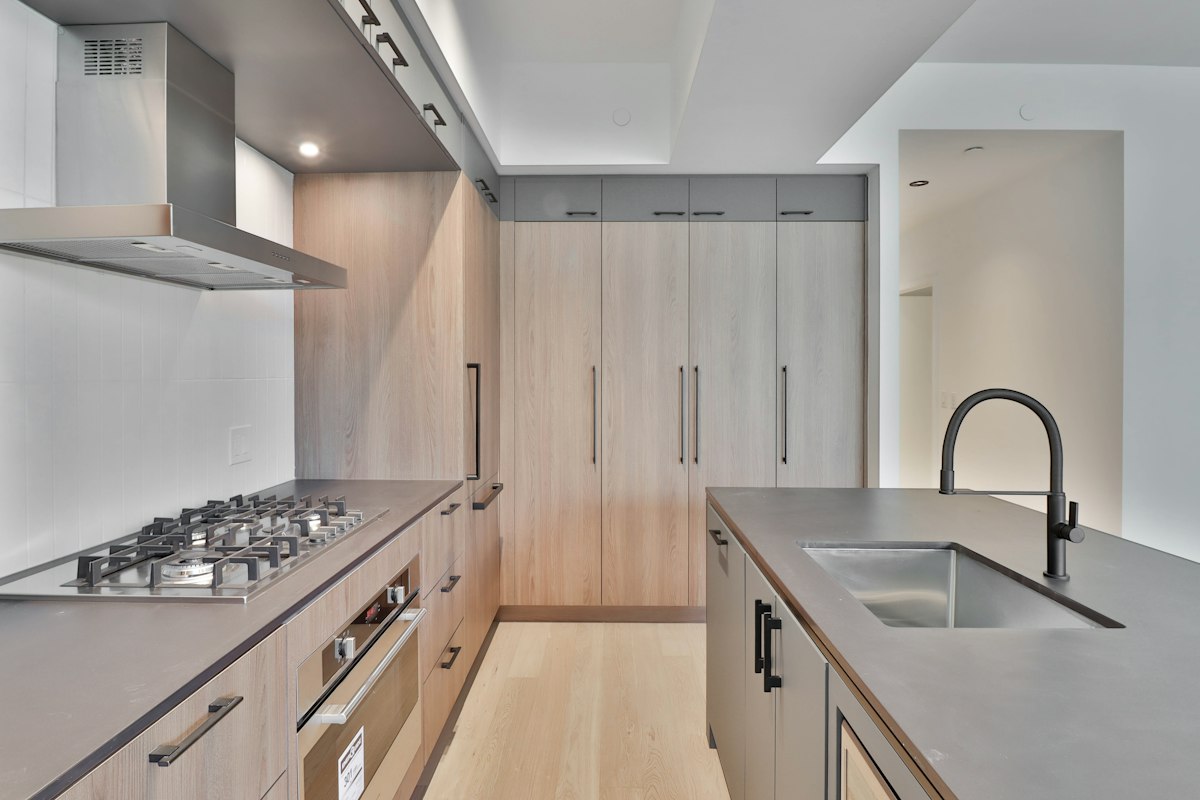
Crafting Your Culinary Sanctuary: The Art of Modern Kitchen Interior Design
The kitchen has always been the heart of the home, a place where meals are prepared, memories are...
Read more →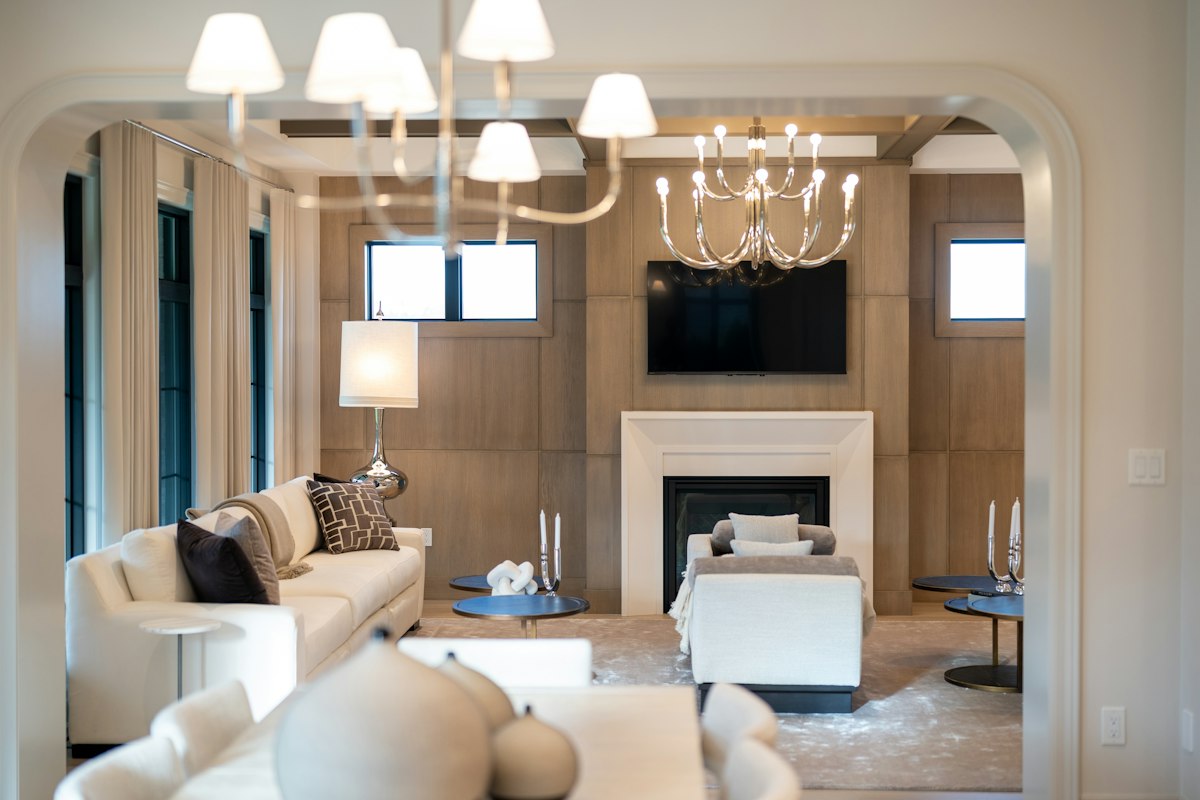
Elevating Your Estate: The Art and Science of Luxury Home Interior Design
When you envision a truly magnificent home, what comes to mind? Is it simply a grand structure, or...
Read more →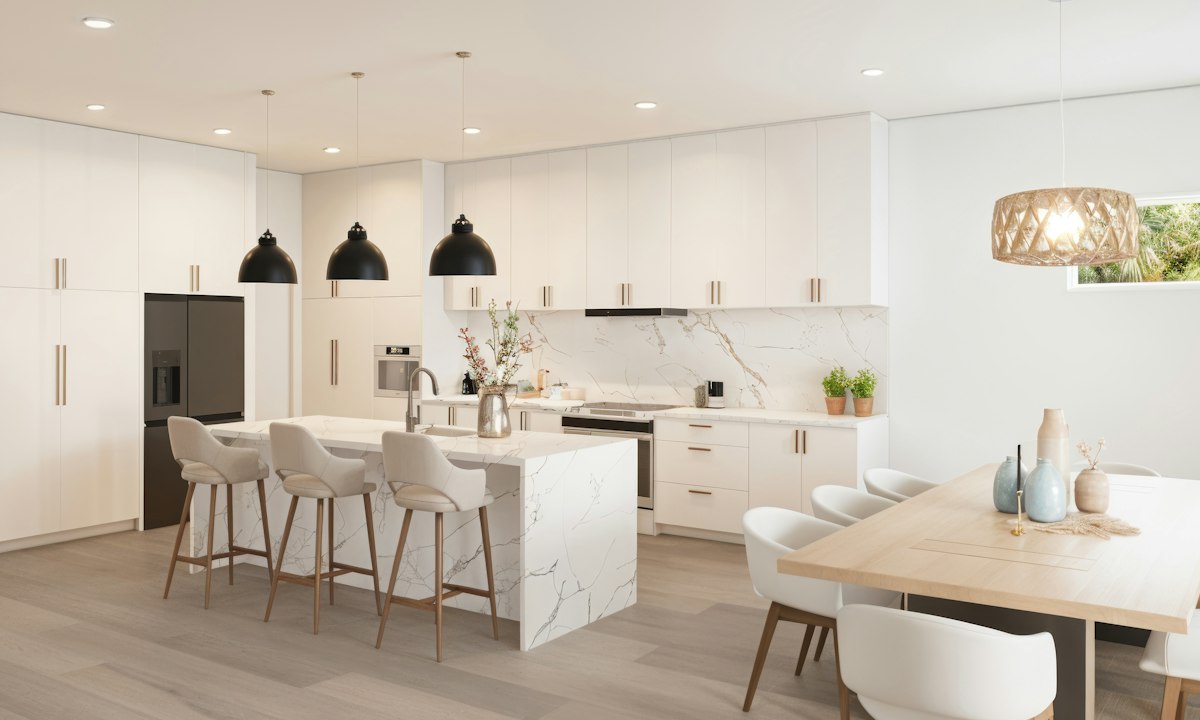
Interior Design for Kitchen Spaces: Layouts, Materials, and Modern Functionality
A successful kitchen renovation balances daily practical demands with architectural elegance. Homeowners often struggle to reconcile the desire...
Read more →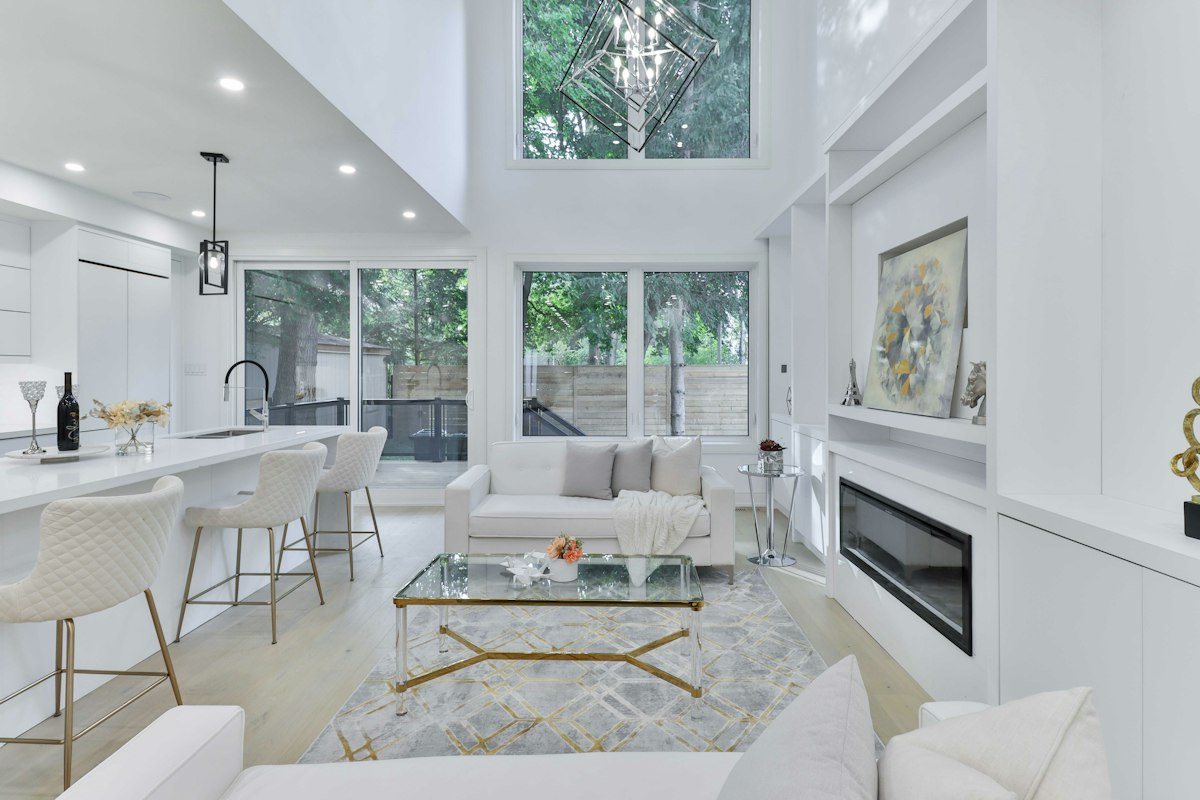
Designing a Luxury House Interior: Principles, Materials, and Spatial Mastery
True luxury inside a home is felt before it is seen. It reveals itself in the acoustic calm...
Read more →This breakdown explores practical, field-tested methods to redesign your home affordably. You will discover practical ways to allocate your funds, source budget-friendly decor, execute high-impact aesthetic tweaks, and avoid common design traps that waste money.
Key takeaways
- Prioritize high-impact focal points: Focus budget on paint, lighting, and primary seating rather than small accessories.
- Mix vintage and modern elements: Sourcing secondhand items adds unique character and reduces overall furniture expenses significantly.
- Leverage spatial planning: Reconfiguring existing furniture and decluttering costs zero dollars while dramatically improving room flow.
- Invest in lighting layers: Swapping overhead bulbs for strategic floor and table lamps creates an expensive ambient mood for very little investment.
Smart Budget Allocation: Where to Spend and Where to Save
Executing a successful design project on a tight budget requires strict financial discipline. The easiest way to overspend is buying low-quality decorative clutter that fills space without adding function or real visual value. Instead, divide your budget into primary investments and cosmetic updates.
High-Priority Investments
Spend money on pieces that experience heavy daily wear or anchor the room. In a living room, a sturdy, comfortable sofa is worth a larger portion of your budget. In a bedroom, invest in a quality mattress and decent bed frame. Spending slightly more on foundational furniture ensures longevity, saving money on replacements down the road.
Budget-Friendly Cosmetic Areas
Save money on items that are easy to swap or update over time. Side tables, decorative accents, throw pillows, wall art, and accent lighting can all be sourced affordably. Thrift stores, estate sales, and discount retailers offer incredible decor options at a fraction of retail showroom prices.
High-Impact Design Hacks That Cost Surprisingly Little
You do not need major construction to completely change the atmosphere of a room. A few smart adjustments can make modest spaces feel larger, brighter, and considerably more refined.
The Power of Strategic Paint
Paint offers the highest return on investment in interior styling. A fresh coat of paint instantly cleanses a room and fixes warm, outdated undertones. Neutral shades like warm off-whites, greiges, and soft sage greens create a calm backdrop that looks sophisticated. If you want drama on a limited budget, paint an accent wall, window trim, or internal doors in a dark, saturated tone like deep navy or charcoal grey.
Layering Ambient and Accent Lighting
Single overhead light fixtures wash out rooms and create harsh shadows, making even expensive furniture look flat. To elevate your room instantly, introduce multiple sources of light at different heights. Combine floor lamps, table lamps, and wall sconces to build warm layers. Replacing cool white fluorescent bulbs with warm 2700K LED bulbs creates an inviting glow without changing a single piece of furniture.
Architectural Scale with Window Treatments
Inexpensive curtains often drag down a room if hung incorrectly. To make low ceilings look taller and small windows appear expansive, hang curtain rods near the ceiling line rather than right above the window frame. Extend the rod several inches beyond the window sides so drapes frame the glass without blocking daylight. Choose floor-length fabric panels in linen blends or heavy cotton to create clean, elegant vertical lines.
Sourcing Strategies for Chic, Low Cost Furnishings
Furnishing a home on a shoestring budget requires patience and creative sourcing techniques. Showroom prices carry heavy markups, but alternative channels yield distinctive, durable pieces for a fraction of the cost.
Thrifting, Antique Shops, and Online Marketplaces
Secondhand platforms like Facebook Marketplace, Craigslist, local estate sales, and thrift stores are treasure troves for real wood furniture. Modern budget furniture is frequently made of particleboard that wears out quickly. Older vintage pieces—such as solid oak dressers, mid-century coffee tables, and wooden dining chairs—are often built with superior craftsmanship and cost less than new flat-pack items.
Upcycling and Paint Makeovers
Do not pass on furniture simply because the finish is outdated or scratched. Sanding down an old wooden table, applying a coat of quality primer, and painting it a rich, modern color can completely transform a piece. Changing out dated drawer pulls and knobs with sleek brass, matte black, or brushed nickel hardware gives old cabinetry an instant upgrade.
Room-by-Room Low Budget Styling Ideas
Living Room Refresh
Rearrange your living room furniture to optimize natural light and conversation flow. Pull sofas away from walls to create cozy seating zones. Anchor the arrangement with a large area rug—flat-weave jute or sisal rugs are affordable, durable, and add rich natural texture that instantly grounds the space.
Bedroom Haven on a Budget
Focus on textiles to make a bedroom feel plush and serene. Instead of buying expensive matching bedroom sets, layer inexpensive white cotton sheets with a textured waffle-knit blanket or linen duvet cover. Frame affordable printables or personal black-and-white photos in simple oversized frames with wide matting to build a gallery wall above the bed.
Kitchen and Bathroom Quick Fixes
Renovating kitchens and bathrooms is notoriously expensive, but cosmetic fixes yield dramatic results. Apply peel-and-stick backsplash tiles over outdated walls for a clean, modern look. Update cabinet handles, repaint tired wooden cabinets, and replace discolored caulk along sink edges to make the room feel brand new without plumber or contractor fees.
Frequently Asked Questions
How can I make my home look expensive on a low budget?
To create an elevated look on a budget, focus on clutter removal, strategic lighting, scale, and texture. Hang curtains high and wide, use large-scale wall art instead of small cluttered frames, switch to warm-toned light bulbs, and layer natural textures like wood, linen, and woven rugs.
What is the cheapest way to redecorate a room?
The absolute cheapest way to redecorate is rearranging your current furniture and thoroughly decluttering. Follow that with a fresh coat of paint and updated light bulbs. These steps cost very little money but yield an immediate, dramatic change in atmosphere.
Is DIY interior design cheaper than hiring a professional?
Yes, executing design tasks yourself saves significantly on labor fees. However, complex electrical or plumbing work should always be handled by licensed contractors. For cosmetic updates like painting, furniture assembly, hanging art, and styling, DIY approaches keep costs extremely low.
How do I choose paint colors for a low budget space makeover?
Opt for versatile neutral tones such as warm whites, soft greys, or muted sage. Neutrals make small spaces appear open and bright, seamlessly unifying mismatched furniture styles while allowing inexpensive accessories to stand out naturally.
Where should I allocate my budget when redecorating a living room?
Allocate the largest portion of your budget to main seating—specifically a sturdy sofa—and an appropriately sized area rug. Once those foundational elements are in place, source lighting, side tables, and decorative accents affordably through secondhand sellers or budget retailers.
Conclusion
Achieving a beautiful, functional home does not demand an extravagant budget. By focusing on smart space planning, high-impact paint finishes, layered lighting, and creative secondhand sourcing, you can completely elevate your interior without overspending. Start with small, manageable updates in high-priority areas, and build a thoughtfully curated home step by step.